Flower Rose Font 8: A Designer’s Real-World Embroidery Review
First Impressions: Romantic, Refined, and Ready for Real Projects
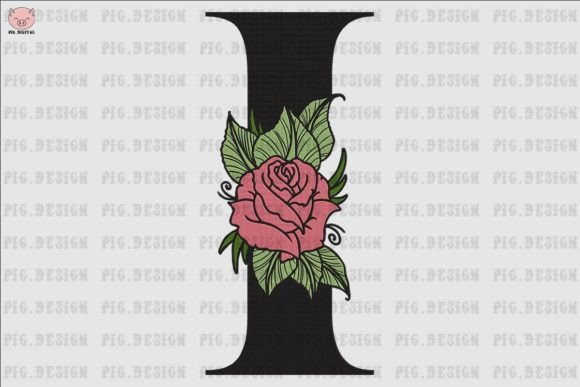
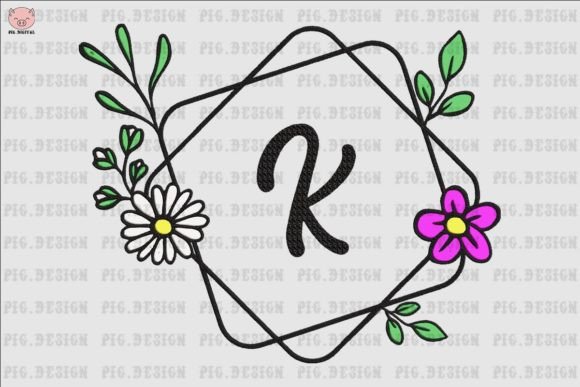
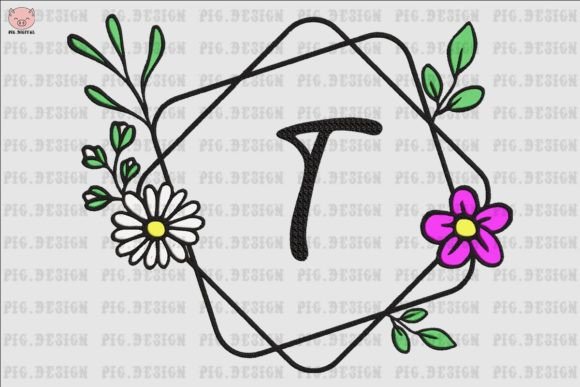
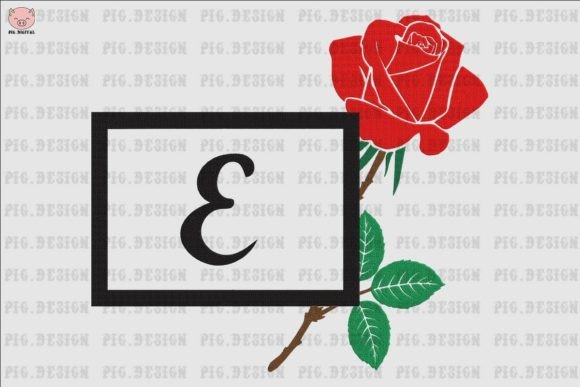
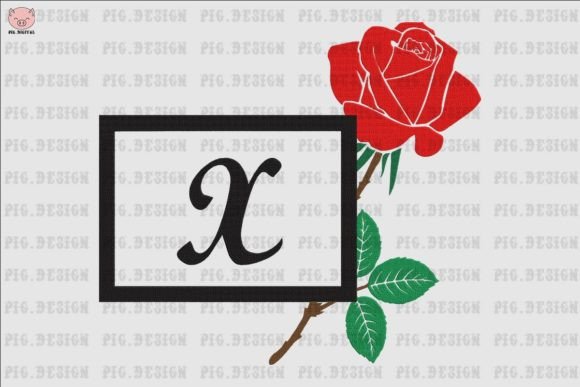
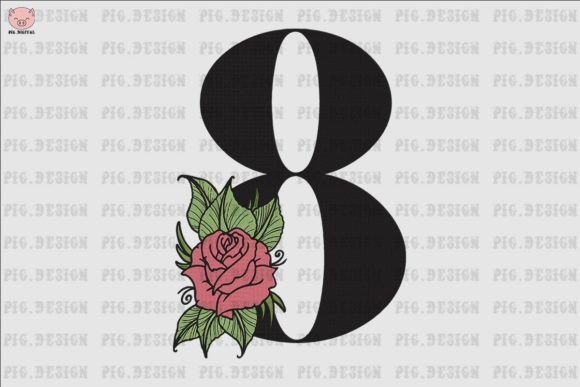
When I opened Flower Rose Font 8, I didn’t see just another script font—I saw a mood. Soft curves, delicate floral flourishes wrapping around each letter, and a gentle rhythm that feels handwritten but polished. It’s not overly ornate, nor is it minimalist—it strikes that rare balance where elegance doesn’t sacrifice legibility. As a designer who’s stitched hundreds of custom pieces for Etsy sellers and boutique clients, I immediately pictured it on a linen tea towel for a teacher’s Back To School gift or embroidered across the chest of a lightweight cotton tote for a small shop launch.
A Real-Life Test: Stitching It on a Custom Tote Bag
Last week, I used Flower Rose Font 8 to personalize a natural canvas tote for a local educator—a “Welcome Back, Ms. Chen!” bag filled with classroom supplies. The design stitched cleanly at 4.5 inches wide, with smooth satin-stitched letter outlines and subtle rose motifs blooming from the ‘R’ and ‘F’. Customers notice those details. One buyer messaged me saying, “It looks like something from a high-end stationery brand—not mass-produced.” That’s the quiet power of Flower Rose Font 8: it elevates a handmade product without shouting.
Where It Shines—and Where It Needs Thoughtful Handling
Flower Rose Font 8 performs beautifully on stable, medium-weight fabrics: cotton twill aprons, brushed poly-cotton pillow covers, midweight sweatshirts, and structured baby blankets. Its moderate stitch density avoids puckering on well-stabilized tees and works especially well as an embroidered patch when fused to denim jackets or backpacks.
But—and this matters for craft business owners—don’t rush it onto thin knits or heavily textured burlap without testing. The fine stems and petal loops can blur on stretchy fabric or get lost in heavy weaves. On dark fabric, I recommend using a slightly lighter thread than you’d assume; the design’s delicacy reads better with soft contrast than stark black-on-navy. And for curved surfaces like caps? Stick to the front panel only—avoid the crown curve unless you’re using a multi-hoop cap frame and have confirmed the file’s alignment tolerance.
Smart Use Cases for Your Craft Business
- Back To School merchandise: Pair Flower Rose Font 8 with simple monograms or subject icons (an apple, open book) for personalized pencil cases or teacher appreciation pillows.
- Etsy sellers: It’s ideal for digital embroidery file listings aimed at moms and educators—add printable mockups showing it on light linen and oatmeal cotton to build buyer confidence.
- Small shop branding: Use it sparingly on woven labels or stitched tags—not as a full logo, but as a refined accent next to your shop name in a clean sans-serif.
- Holiday & gift embroidery: Works quietly well on baby onesies (“Little Bloom”) or kitchen towels (“Gather & Grow”), where warmth matters more than flash.
What It Adds to Your Finished Product—Beyond Pretty Stitches
There’s real value in how Flower Rose Font 8 shapes perception. Unlike bold block fonts or trendy glitch scripts, it signals care—hand-selected, thoughtfully placed, made for someone specific. That translates directly to customer trust. Buyers of personalized gifts don’t just want their name stitched; they want to feel the intention behind it. This machine embroidery design delivers that quietly, consistently.
For small business owners, that means higher perceived value per item—no need to overprice, but no need to undercharge either. A $32 embroidered tea towel feels justified when Flower Rose Font 8 gives it the quiet sophistication of a curated home goods brand.
Designer Notes You’ll Actually Use
- Always test on scrap fabric first—especially if pairing with applique design elements or layering over printed text.
- Check thread color contrast early. Try matte cotton threads instead of high-sheen polyester for softer floral accents.
- Review stitch density visually before scaling down—if small inner loops disappear at 2.5”, consider simplifying or choosing a different variant.
- Confirm hoop size compatibility. Some versions of Flower Rose Font 8 include multiple sizes; verify which fits your most-used hoops before listing on Etsy or prepping for craft fair orders.
- Inspect corners and terminals. Look for loose running stitch anchors or abrupt satin stitch ends—they’ll snag during wear or washing.
- Test in black-and-white mockups. If it reads clearly without color cues, it’ll hold up across fabric types and lighting conditions.
- Use tear-away + cut-away stabilizer combo on lightweight cotton or rayon blends to prevent shadowing or distortion.
- Verify licensing terms before selling finished products or bundling Flower Rose Font 8 into digital embroidery kits—commercial use isn’t automatic.
Final Thought: Not Just Another Font—A Design Decision
Flower Rose Font 8 isn’t filler. It’s a deliberate choice—one that says you understand your customer’s taste, your fabric’s behavior, and the quiet weight of a well-executed stitch. Whether you’re stitching a single baby onesie for a friend or producing 50 embroidered totes for a school fundraiser, this machine embroidery design supports intention over impulse. It won’t dominate a garment, but it will linger in memory—the kind of detail that earns repeat buyers, heartfelt notes, and photos tagged back to your shop. In a crowded market of fast embroidery files, Flower Rose Font 8 is the one you keep coming back to—not because it’s flashy, but because it’s trustworthy.