Books Line Embroidery Design Review
A Thoughtful First Impression for Boutique Apparel
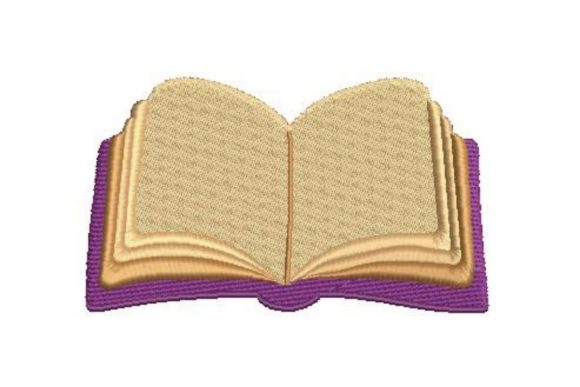
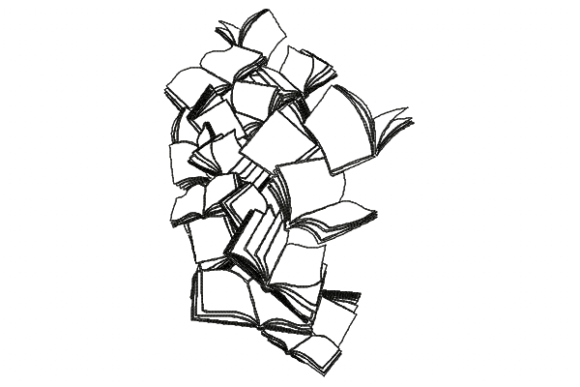
Opening the Books Line embroidery file on my design software, I immediately noticed its quiet confidence—clean lines, balanced negative space, and a subtle narrative charm. It’s not loud or trend-chasing; it’s a classic, literary-inspired motif with gentle curves and soft serif-like lettering that reads as both timeless and intentional. The visual personality leans toward warm, thoughtful, and quietly feminine—ideal for boutique apparel that values storytelling over flash. For a Back To School collection, it avoids cliché (no apples or chalkboards) and instead offers emotional resonance: nostalgia, curiosity, comfort. That makes it versatile—not just for students, but for teachers, book lovers, remote workers, and anyone who treasures quiet moments. As a machine embroidery design, it feels premium in execution, not overly dense, yet detailed enough to hold attention at chest or sleeve placement.
How Books Line Performs Across Real Apparel Projects
I tested Books Line across several garment types common in small-batch production—neutral sweatshirts, heather grey hoodies, oatmeal t-shirts, navy denim jackets, and natural canvas tote bags. On midweight cotton-blend sweatshirts, the design stitched cleanly with minimal puckering when paired with medium-weight cutaway stabilizer. Its moderate stitch density allowed the fabric to breathe while maintaining crisp definition—especially important for custom apparel where texture and drape matter.
For hoodie chest placement, Books Line shines at 3.5–4 inches wide. It’s large enough to read comfortably but doesn’t overwhelm the front panel. On oversized hoodies, I centered it slightly lower than usual—just above the seam—to anchor the silhouette without competing with volume. Sleeve accents worked beautifully at 2.25 inches, especially on pastel hoodies where the contrast between thread and fabric added soft sophistication.
Back designs? Yes—but only if scaled thoughtfully. At full size, it reads well across the upper back of a relaxed-fit t-shirt or lightweight sweater. On dark apparel like charcoal fleece, I chose creamy ecru thread instead of stark white—it preserved readability while feeling elevated and intentional. On ribbed fabric (like structured knit cuffs), I reduced stitch speed by 20% and used tear-away + light cutaway combo stabilizer to prevent distortion around curved letterforms.
Where Books Line Adds Quiet Value to Your Brand
This isn’t just decoration—it’s brand reinforcement. When used consistently across a small shop product line (e.g., matching sweatshirts, totes, and reading pillows), Books Line builds visual consistency without shouting. Customers begin to associate that clean, literary rhythm with your boutique brand’s voice: calm, curated, human-centered. That kind of coherence builds buyer trust faster than seasonal graphics ever could.
For Etsy sellers and handmade product creators, Books Line elevates lifestyle product photos. Paired with soft lighting and neutral backdrops, it reads as intentional—not crafty, not generic. It also translates well into printable mockups and social media graphics: the balanced proportions scale cleanly from Instagram feed posts to Pinterest pins. As a digital embroidery file, it supports commercial embroidery use—meaning you can confidently offer Books Line–embroidered items as finished product in your shop, provided you’ve reviewed Creative Fabrica’s licensing terms first.
Smart Placement & Fabric Considerations
- Small chest placement: Works best at 3–3.75 inches wide—tight enough for petite garments but legible on youth sizes.
- Dense stitch areas: The inner curve of the “O” and crossbars in “B” and “K” carry slightly more density. Test on scrap fabric to confirm tension balance, especially on stretchy knits.
- Fleece and heavy fabrics: Use firm cutaway stabilizer and consider adding a light topping (like water-soluble film) to prevent thread nesting on high-pile surfaces.
- Curved surfaces (like sleeves or hoods): Hoop the area flat whenever possible—or use adhesive stabilizer to minimize shifting during stitching.
- Tiny lettering concerns: No micro-details here—Books Line avoids sub-1mm elements, making it reliable even on older commercial machines.
Practical Designer Notes Before You Stitch
Before committing to a full run, always test Books Line on scrap fabric that matches your final garment’s weight, stretch, and finish. Check your stabilizer choice against fabric texture—flimsy stabilizer on fleece invites distortion; too-heavy stabilizer on lightweight tees adds unwanted stiffness. Review thread color contrast carefully: what reads clearly on ivory may vanish on cream. Confirm hoop size compatibility—some versions of Books Line include multiple sizes, so verify which fits your workflow. Inspect stitch density visually in your embroidery software: look for overlapping jumps or tight clusters that could snag on wear. And crucially—double-check Creative Fabrica’s product details. File formats, included sizes, and commercial license scope vary by listing. Never assume.
Final Thoughts for Creative Entrepreneurs
Books Line isn’t a novelty—it’s a utility player with soul. In a market saturated with fast-trend embroidery files, it stands out by prioritizing longevity over virality. For small clothing brands building identity through repetition and refinement, it’s a smart foundational element. Whether you’re launching a cozy Back To School capsule, refreshing your Etsy shop’s bestsellers, or developing signature merch for a local indie bookstore collab, Books Line delivers professional presentation without complexity. It says something meaningful—without saying too much. And in today’s handmade economy, that restraint is rare, valuable, and deeply on-brand.