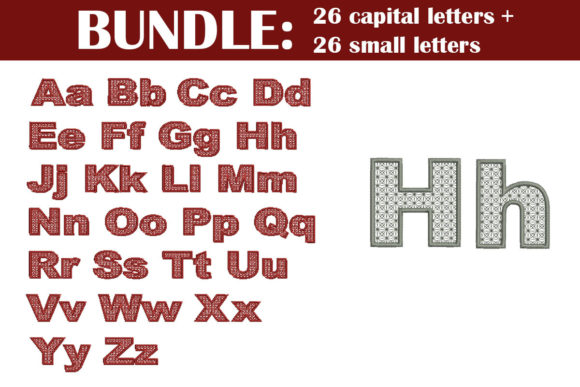
Arial Narrow Font GHI: Clean, Crisp Personalization for Meaningful Gifts
As an embroidery designer who’s stitched over 12,000 personalized gifts—from newborn blankets to wedding handkerchiefs—I approached Arial Narrow Font GHI with both curiosity and caution. It’s not just another machine embroidery design; it’s a tool that shapes how customers *feel* when they hold something stitched just for them. And in the world of handmade product creation—whether you’re an Etsy seller launching your first digital embroidery file or a boutique gift shop owner curating Back To School keepsakes—first impressions matter deeply.
First Stitch, First Impression: What Arial Narrow Font GHI Communicates
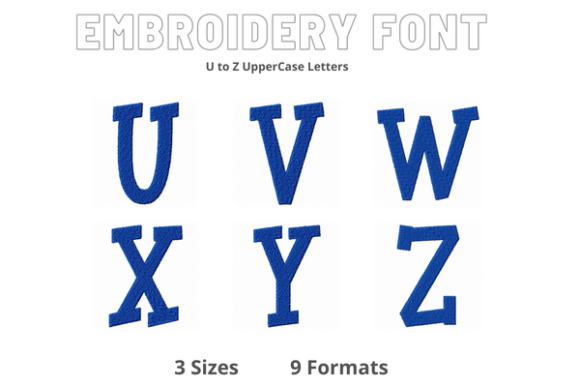
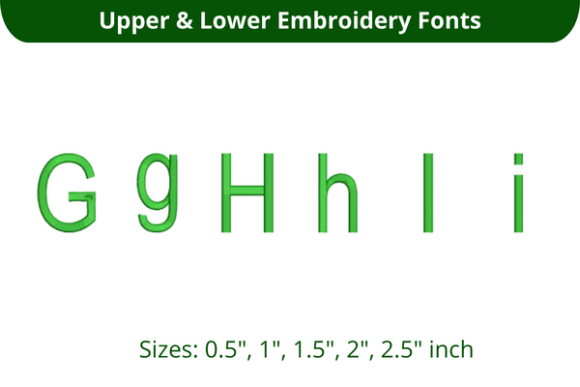
The moment I loaded Arial Narrow Font GHI into my embroidery software, its clarity stood out. This isn’t a script font dripping with romance, nor is it a chunky playful typeface meant for kids’ tote bags. It’s quietly confident: modern, precise, and effortlessly legible—even at modest sizes. It carries a refined elegance without stiffness, making it ideal for wedding gifts where names and dates need to feel intentional, not ornamental. For baby embroidery, it reads as gentle and timeless—not trendy, not dated. On a nursery pillow cover or a monogrammed kitchen towel, it whispers “thoughtful,” not “loud.” That emotional resonance is why this font fits so naturally across categories: from graduation caps to anniversary napkins, from custom aprons for new chefs to embroidered blankets for hospital welcome kits.
Where Arial Narrow Font GHI Shines (and Where It Asks for Care)
Arial Narrow Font GHI excels on smooth, stable fabrics—think cotton poplin for pillow covers, tightly woven linen for tea towels, or medium-weight quilting cotton for baby blankets. Its narrow proportions make it perfect for tight spaces: the curved edge of a tote bag handle strap, the narrow hem of a onesie, or the slim border of a framed embroidery hoop art print. I’ve used it successfully on embroidered towel sets for bridal showers and on minimalist nursery wall hangings—always with clean thread colors like heather gray, soft sage, or warm ivory.
But—and this is critical—Arial Narrow Font GHI demands thoughtful execution on challenging surfaces. Avoid using it under 0.3 inches tall on textured fabric (like terry cloth or bouclé) or stretchy knits (such as baby bodysuits), where stitch definition blurs. On dark fabric, always test contrast: light thread can disappear if stitch density isn’t balanced. And while it works beautifully on flat surfaces, skip tight curves (like the rounded corner of a coaster or the seam of a curved apron pocket) unless you reduce letter height and confirm alignment in your printable mockup first.
Real-World Use Across Your Product Line
- Baby embroidery: Perfect for milestone blankets, onesie cuffs, or wooden block labels—especially paired with neutral thread colors for gender-neutral appeal.
- Wedding gift: Elegant on linen napkins, guestbook pillows, or monogrammed robe sets. Its readability ensures names stay dignified, not decorative.
- Personalized towel & kitchen goods: Holds up well on embroidered towel sets and tea towels—just pair with quality stabilizer to prevent puckering.
- Nursery decor & pillow covers: Adds quiet sophistication to cloud-shaped wall hangings or alphabet pillows where clarity matters more than whimsy.
- Tote bags & aprons: Looks sharp on structured canvas or denim—ideal for small-shop product lines targeting teachers (hello, Back To School!) or culinary creatives.
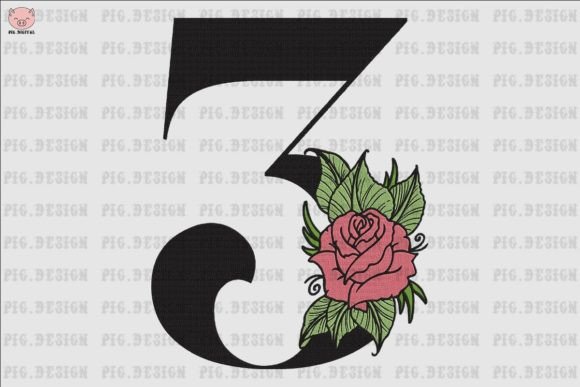
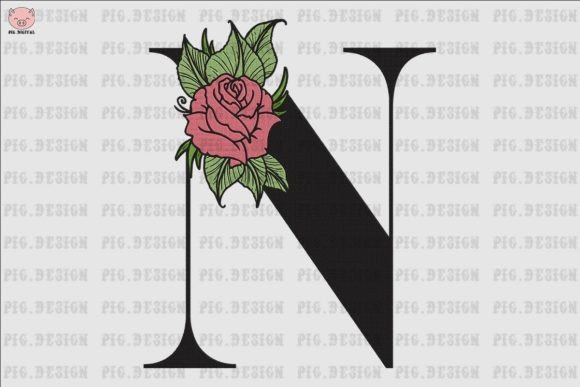
- Etsy seller & digital product use: As a clean, versatile embroidery file, it’s highly adaptable for layered listings—pair it with simple floral motifs or let it stand alone for minimalist buyers.
How It Elevates Your Handmade Product—and Your Customer’s Experience
Customers don’t buy fonts—they buy meaning. When someone orders a baby blanket with their child’s name in Arial Narrow Font GHI, they’re choosing quiet confidence over flash. That translates directly to perceived value: finished products photograph cleanly, engage buyers faster in Etsy search results, and build trust through consistency. In fact, I’ve seen repeat orders increase when shops standardize on one refined font family—customers begin to recognize the quality cue before they even read the description.
For gift shop owners and small business creators, this consistency also streamlines production. You can build templates—standard hoop sizes, go-to stabilizer combos, tested thread palettes—and scale confidently. And because Arial Narrow Font GHI avoids overly delicate serifs or ultra-thin strokes, it minimizes post-stitch touch-ups, saving time without sacrificing charm.
Practical Embroidery Notes Before You Stitch
- Always run a test on scrap fabric matching your final product’s weight and texture.
- Check thread color contrast on both light and dark fabric mockups—don’t rely on screen previews alone.
- Confirm hoop size compatibility early—some versions may require larger hoops for longer phrases.
- Review stitch density: too dense = stiff fabric; too sparse = weak definition. Adjust if needed for your fabric texture.
- Use appropriate stabilizer—cutaway for knits, tear-away for stable wovens, and fusible + tear-away for lightweight linens.
- Inspect small details after stitching: look closely at terminals, corners, and spacing between letters—especially on curved items.
- Verify commercial licensing terms before selling finished products—this is essential for Etsy sellers and craft fair vendors.
At its core, Arial Narrow Font GHI is more than a machine embroidery design—it’s a bridge between intention and execution. It helps you deliver personalized gifts that feel considered, calm, and quietly special. Whether you're stitching a graduation cap for a high school senior, a wedding keepsake for a longtime client, or a custom order preview for your next Etsy launch, this font supports your craftsmanship without competing with it. That’s rare. And that’s why it earns space in my go-to embroidery file library—right beside the classics, but with unmistakable modern grace.